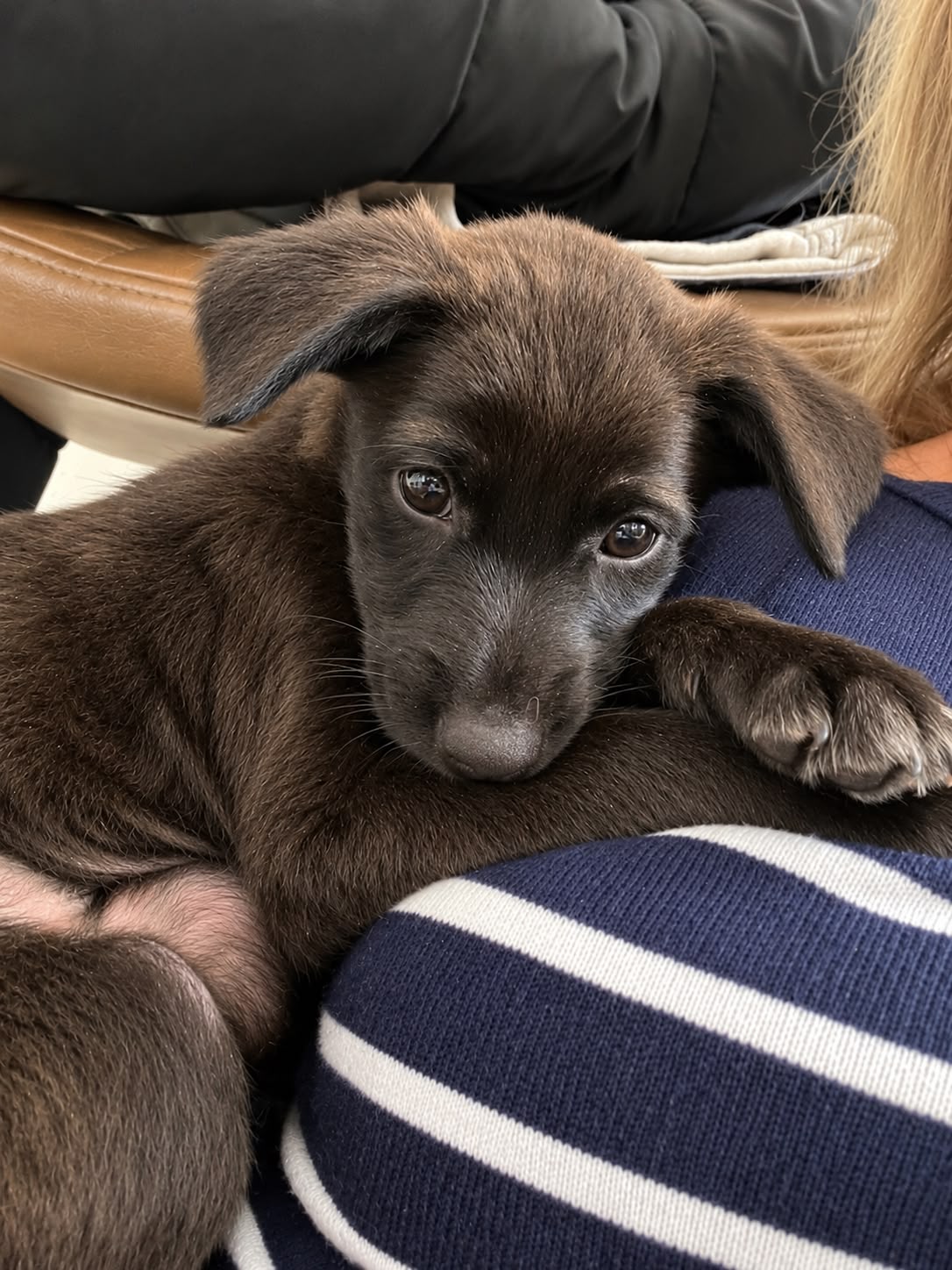
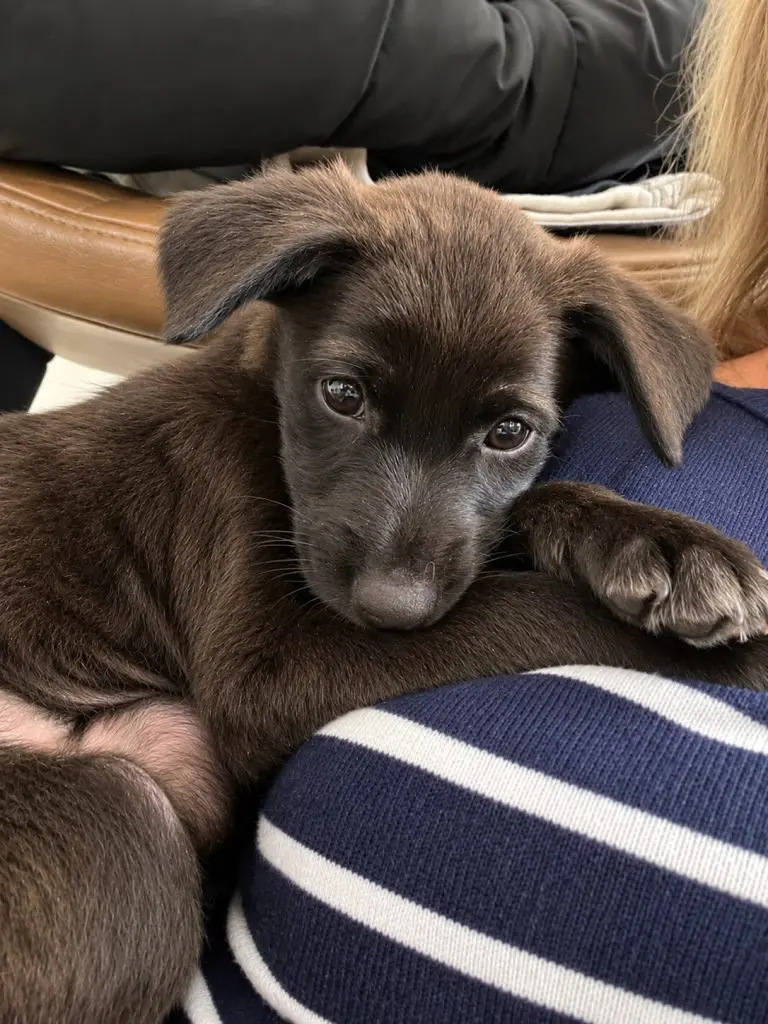
Meet Nico, a loving puppy for adoption 🐾
Nico was found in a field with his two siblings, Nyla and Ninja. He’s one of two boys in the trio, with Nyla being their sister.
Nico will be around four months old when he arrives in the UK. We expect him to grow into a small-to-medium-sized dog. He’s still very young, so his new family will need to give him time to settle and help him learn about the world through patient guidance, gentle training and positive experiences. Like all puppies, he’ll need regular toilet breaks, plenty of rest and opportunities to play and explore safely.
If you think Nico could be the right fit for your home, please complete our adoption form.
Health and documentation
Nico will arrive fully vaccinated and with comprehensive health checks, including a Uranotest Quattro for Leishmania infantum, Ehrlichia canis, Anaplasma and Dirofilaria immitis antigen, and a test for Canine Brucellosis. He will also have his own Portuguese passport.
Watch Nico’s videos
Scroll down to see Nico the puppy for adoption in the videos below and get a better feel for her personality.
VIDEOS BELOW
If you think you could offer Nico the right home, please complete our adoption form. Please do read our FAQ’s before applying.
Our dogs are used to having space to move around, explore and settle comfortably, so we don’t recommend using a crate as part of their regular daily routine. Crates can be useful for specific purposes, such as safe travel or vet-directed recovery. A crate or another secure area may also help keep a dog safe when young children are visiting, though children should always be supervised around dogs. In our experience, crate confinement can sometimes contribute to or worsen separation-related distress. On rare occasions, puppies who have become distressed trying to get out have injured themselves, including breaking teeth.
For a young puppy, being confined for long periods can limit their chance to explore, learn about family life and build a bond with you. Puppies also need frequent opportunities to toilet; expecting them to hold their wee or poo for too long can be uncomfortable and may contribute to urinary or toileting problems. We advise giving a puppy time to settle into their new home for at least a few weeks – and ideally longer – before introducing crate training for occasional use. If your lifestyle means you expect to confine a dog in a crate for extended periods or as a regular routine, please don’t apply to adopt from us.